
Protection and reliabilityin extreme conditions
Engine, transmission and diesel oils and greases under the HOFFEN1 and KAROL brands — made at our own plant.
- years of experience
- 10+
- customers
- 1000+
- product groups
- 4
Popular products
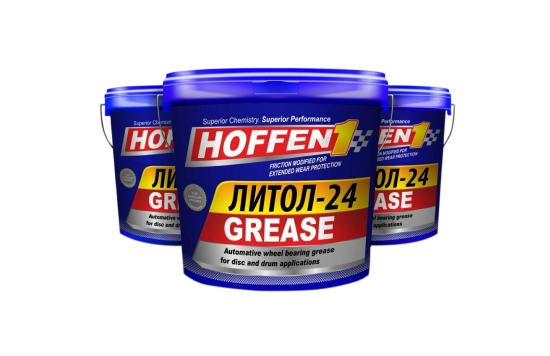 GreasesHOFFEN1 Litol-24 Grease
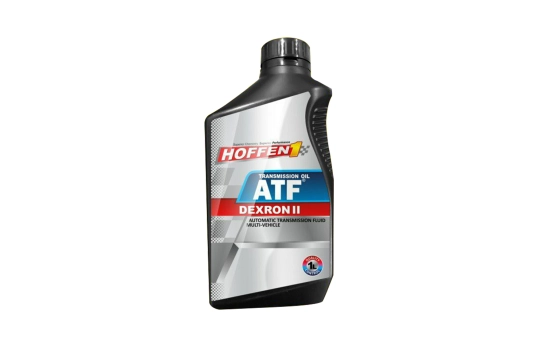 Transmission oils and ATFHOFFEN1 ATF Dexron II
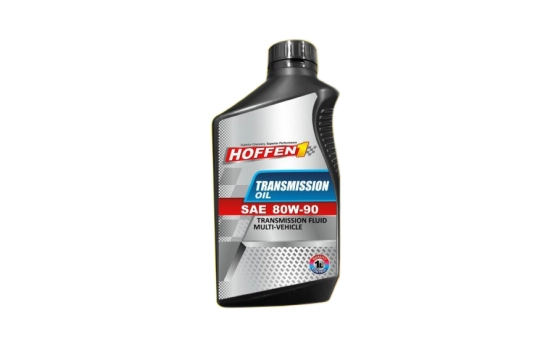 Transmission oils and ATFHOFFEN1 Transmission Oil 80W‑9080W-90
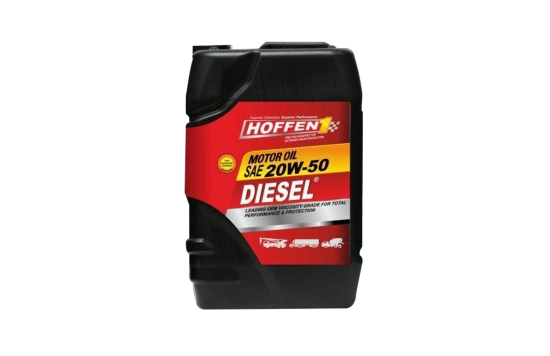 Diesel oilsHOFFEN1 Diesel 20W‑5020W-50
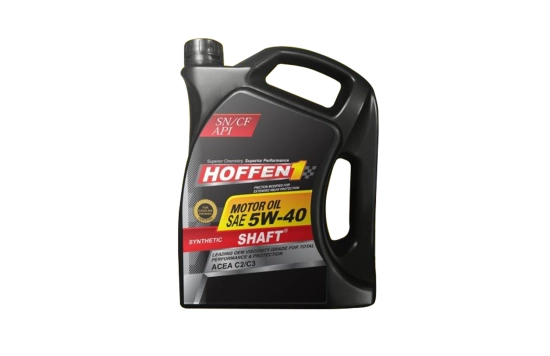 Engine oilsHOFFEN1 Shaft 5W‑405W-40 · API SN/CF · ACEA C2/C3
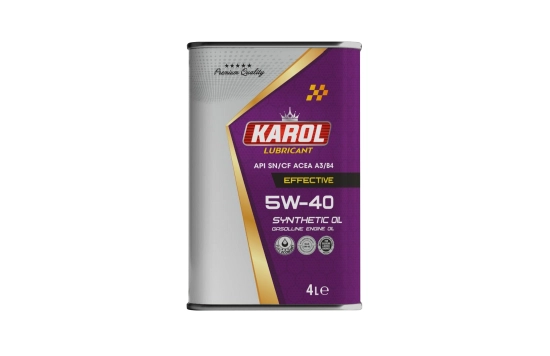 Engine oilsKAROL Effective 5W‑405W-40 · API SN/CF · ACEA A3/B4
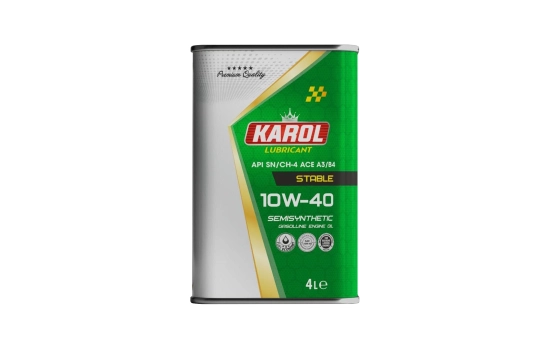 Engine oilsKAROL Stable 10W‑4010W-40 · API SN/CH-4 · ACEA A3/B4
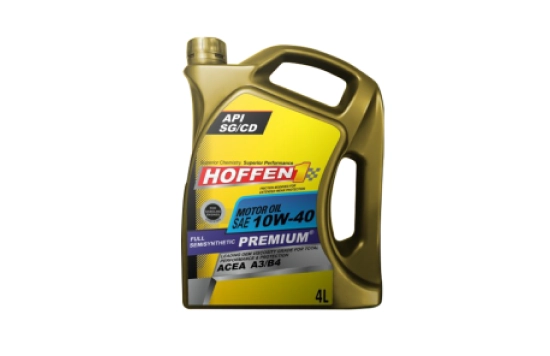 Engine oilsHOFFEN1 Premium 10W‑4010W-40 · API SG/CD · ACEA A3/B4
Find by application
Oils and greases for passenger cars, trucks and equipment.
Oil and grease ranges
Synthetic, semi-synthetic and mineral HOFFEN1 and KAROL oils, plus greases.
-
Made in Uzbekistan
All products are manufactured at our facility in Tashkent. Quality control at every stage — from base oil preparation through to packaging.
-
International standards
Extra Standard Oil oils meet international standards and the requirements of equipment manufacturers.
-
Modern technology
Modern equipment and eco-friendly, innovative production technology.
-
Complete range
Motor, transmission, hydraulic and diesel oils, greases and chain lubricants — synthetic, semi-synthetic and mineral.
In-house produced oils for any conditions
Extra Standard Oil produces and supplies high-quality automotive oils that keep engines running reliably in any conditions. Our range includes synthetic, semi-synthetic and mineral oils that meet international standards.
More about the company
Production stages
A full cycle at our plant in Tashkent — from raw materials to shipping.
-
Base oil preparation
Purifying and processing raw materials.
-
Additives
Introducing additives to improve oil performance.
-
Mixing
Blending base oil and additives into a uniform product.
-
Filtration
Removing impurities to ensure purity.
-
Quality testing
Checking that the product meets the standards before filling.
-
Packaging & labeling
Filling, packaging and labeling the final product.
-
Storage & shipping
Storing and shipping products to clients.
Oil supply for dealers, service stations and fleets
We work with dealers, service stations and fleets. Let's discuss the range, volumes and supply terms.

Frequently asked questions
Which oil should I choose for my car?
Check your vehicle's service book or owner's manual: it lists the recommended viscosity (for example, 5W-30) and the manufacturer approval (for example, VW 504 00). With this information, choose an Extra Standard Oil product using the catalogue filters. If in doubt, send us a message through the contact form — our engineers will help you choose free of charge.
What is the difference between synthetic, semi-synthetic and mineral oil?
Mineral oil is refined directly from crude oil: it is inexpensive but ages quickly and has a narrow operating range. Semi-synthetic oil is a blend of mineral and synthetic oils — a compromise between price and performance. Synthetic oil is produced by chemical synthesis or deep hydrocracking (PAO, esters, GTL); it offers better protection, fuel savings, longer drain intervals and stability at extreme temperatures. For modern turbocharged and direct-injection engines, synthetic oil is a must.
What do 5W-30, 0W-20, SAE and API mean?
SAE is the viscosity classification. The number before the W (winter) describes cold-weather performance (0W = down to −35°C, 5W = down to −30°C). The number after the W is the viscosity at +100°C (30 is thinner, 40 is thicker). API (American Petroleum Institute) and ACEA (European Automobile Manufacturers' Association) are performance quality categories. The later the letter in the API category (SP > SN > SM > SL), the more modern the standard.
How often should I change my engine oil?
The standard interval is 10,000–15,000 km or once a year. Under severe conditions (city traffic, taxi use, towing a trailer, extreme temperatures) — every 5,000–7,500 km. For each Extra Standard Oil product, the recommended interval is stated in the PDS. Do not exceed the interval even with a high-quality oil — additives have a limited service life.
Can I mix oils from different manufacturers?
In an emergency (topping up to the correct level), you may mix oils of the same viscosity and API/ACEA category. Do not mix them on a regular basis: different additive packages may conflict and reduce protection. If you are switching to Extra Standard Oil, a full oil change with a system flush is recommended.
Which standards do Extra Standard Oil products meet?
Extra Standard Oil lubricants meet international quality standards and the SAE, API and ACEA classifications. The specifications and approvals for each product are listed on its page and in its PDS.
Still have questions?
Send us your message using the form below
Sales department+998 (90) 880 00 01[email protected]